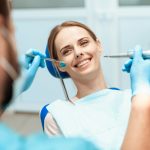
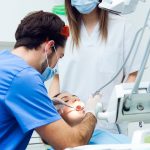

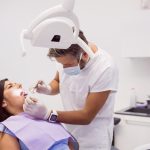
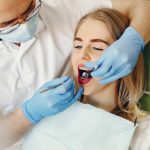


Dental care is not about visiting a dentist when pain or discomfort occurs. Preventive Dental Care focuses on maintaining the health of the teeth and gums, looking for changes in your teeth, and identifying concerns that may require further assessment. It may be relevant to children, adults, and older family members.
The preventive strategy involves daily brushing, interdental cleaning, and dental assessments. The recommendations and care should be based on the dental findings, as each member of the family may have distinct dental needs. Also, consistent dental habits can make caring for teeth a familiar part of family life.
What Does Preventive Dental Care Involve?
Preventive Dental Care may include dental checkups, professional cleaning, fluoride treatments, fissure sealants, mouthguards, and oral hygiene education. The recommended services will depend on the patient’s age, dental history, symptoms, and examination findings.
Children with teeth that are still growing need different care than adults who already have fillings or crowns. Older individuals may also need to have their natural teeth, gums, dentures, or other dental restorations assessed.
Preventive dentistry cannot guarantee that dental concerns will not arise. Dental examinations, however, provide an opportunity to assess the mouth and discuss relevant findings with the patient.
Creating Dental Habits in Children
Childhood is a common stage for developing brushing and dental care routines. Parents can assist by overseeing brushing when necessary and assisting children to regularly care for their teeth.
During dental visits, developing teeth and gums can be inspected. Families looking for a Family Dentist Box Hill residents can access may consider the location, available services, and their individual dental needs.
Regular dental visits can provide opportunities for children to become familiar with the dental environment. Dental care can be discussed in age-appropriate ways so children and parents can ask questions about dental care.
Why You Should Regularly See Your Dentist
Some dental changes might occur without acute discomfort. A dental check-up allows a dentist to assess for signs of tooth wear, decay, gum changes, and concerns involving existing restorations. Routine Check-Ups allow the dentist to check teeth, gums, the bite, and current dental treatment. Following an assessment, dental x-ray or other diagnostic treatments may be considered when needed. Patients should tell their dentist if they have sensitivity, bleeding gums, pain during chewing, or other changes inside the mouth. Such symptoms can have many origins and require professional assessment.
The suggested schedule of dental appointments can differ across patients depending on their dental history and current findings.
Home Dental Hygiene & Professional Cleaning
Common recommendations for home dental care are twice-daily brushing and interdental cleaning. However, plaque that remains on the teeth can solidify into calculus, which cannot be removed normally by brushing. You may be advised to have a Dental Cleaning to remove plaque, calculus, and certain surface deposits. The need and frequency of professional cleaning are based on the state of a patient’s teeth and gums. A dental professional may also find spots that are hard to clean. Toothbrushes and interdental cleaning or brushing techniques may be given as required by the patient.

Dental Prevention and Gum Health
Gums are a vital aspect of oral health. Bleeding, swelling, redness, or bad breath that won’t go away can be signs of a problem with your teeth or gums. A dental assessment may help investigate the possible cause. Gum Disease Treatment will depend on the diagnosis and how far the condition of the gums has progressed. Where appropriate, professional treatment, adjustments in home hygiene, and continuing assessment may be discussed.
Persistent gum symptoms should be assessed by a dental practitioner. A dentist can check the gums and talk about management choices based on the clinical findings.
Dental Needs Change as You Age
Your dental needs can change during maturity. Fillings and other restorations may need to be checked, and tooth wear and changes in the gum may develop over time.
Older people may have crowns, bridges, dentures, or dental implants that need to be monitored. There may also be changes in dexterity that make it more difficult to brush and clean between the teeth for certain people.
Preventive Dental Care recommendations may vary according to the patient’s dental condition and home care needs. After examining the mouth, the dentist can recommend realistic modifications to cleaning habits.
Diet and Your Daily Oral Care
The food and drink you take can affect your teeth. Eating and drinking foods and drinks containing free sugars frequently can increase your risk of tooth decay. Acidic drinks can also alter the surfaces of the teeth with repeated exposure.
Families can watch for the frequency of sugary or acidic foods. Drinking water and brushing with fluoride toothpaste are commonly recommended as part of daily dental care.
Dental advice may vary according to the patient’s needs. While inspecting the teeth and gums, a dentist will be able to discuss significant dietary factors.
Making Oral Care a Family Affair
Family routines can help children and adults stick to regular dental habits. Parents can show how to brush, supervise smaller children as needed, and urge cleaning between the teeth when suitable for the child’s age. Maintaining Oral Health involves home dental care and seeking a dental assessment when concerns arise. Persistent sensitivity, bleeding gums, pain, or obvious changes should be checked by a dental practitioner. It is also crucial to note that just because you do not feel discomfort does not mean that there are no dental problems. Dental examinations provide an opportunity to identify changes that may require monitoring or further assessment.

Preventive Dental Care at Kellyville Dentist
Kellyville Dentist provides a range of dental services for patients and families. On the practice’s website, you will find services such as dental examinations, children’s dentistry, fluoride therapy, mouth guards, fillings and periodontal care.
The dental team can look at a patient’s teeth and gums and discuss dental treatment based on the findings of the examination. Dental needs vary between patients, so recommendations may differ according to age, dental history, symptoms, and examination findings.
Summary
Preventive Dental Care can be incorporated into normal dental routines for the entire family. Home hygiene and regular dental evaluations and professional advice can allow patients to monitor changes in their teeth and gums and seek further care when required.
To make an appointment with a dentist, phone Kellyville Dentist on (02) 9680 2400 or email reception@kellyvilledentist.com.au. The clinic is located at Shop 8, The North Village, 10 Hezlett Rd, Kellyville NSW 2155.


